Raja Ampat Travel Guide for Backpackers: Budget, Homestays & Itinerary
Seven days west, five east, everything you need to plan the archipelago of the Four Kings, told by someone who's actually been there.
Raja Ampat is an archipelago off the far western tip of West Papua, and by most measures the richest marine life left on the planet. In the heart of the «Coral Triangle» it scatters more than 1,500 largely uninhabited islands across the sea, holding three-quarters of the world's known coral species and over 1,500 kinds of fish. The name, «The Four Kings», comes from a legend tied to four islands: Waigeo, Batanta, Salawati and Misool. I gave it two weeks, one in the west and one in the east, and it is still the most extraordinary water I have ever put a mask into.
What & Where is Raja Ampat, Indonesia?
On paper Raja Ampat is a scatter of islands off the western edge of West Papua; in the water it becomes something else entirely. Everyone comes for what is underwater, and they are right to, mantas, wobbegong sharks, walls of coral, schools so dense they close around you, pygmy seahorses if you know where to look. What caught me off guard was how little it asks to reach all this: the reef often starts a few metres off the beach, or right under the jetty of your homestay, so even snorkelling you are straight into it, though the currents at some sites are serious and want real experience.
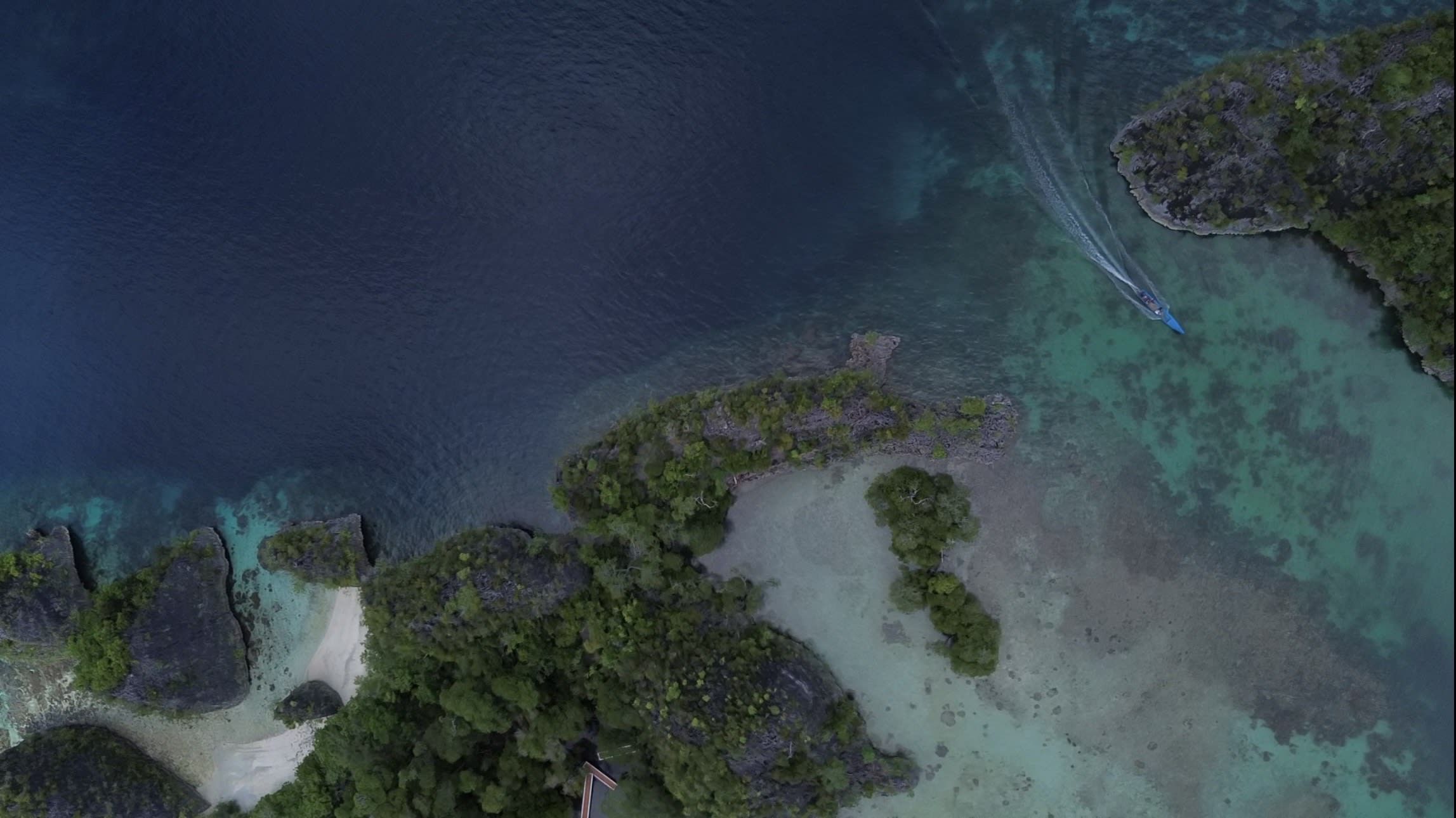
Above the surface, the image everyone carries of Raja Ampat is Piaynemo, the karst viewpoint where turquoise lagoons sit studded with little green islands, seen from a platform at the top of a short, steep climb. For once it is exactly as good as the photographs, and I stayed up there far longer than I meant to.
But the places that stayed with me were not only the postcards. Arborek deserves a slow morning on its own, not just a snorkel stop, a small island where daily life goes on around you rather than for you. On Waigeo, Kali Biru is a freshwater river so clear it barely looks real, and if you drag yourself up before dawn the guided walks, especially on Batanta, can turn up the Red and Wilson's Birds of Paradise.
Further south, Misool stands apart: dramatic karst rising straight out of the sea, hidden caves, submerged archaeological remains. I have not made it there yet, and that, more than anything, is the reason I already want to go back.
How Much Does a Raja Ampat Backpacker Trip Cost?
Is Raja Ampat expensive? It is the question I get more than any other, and the honest answer is yes and no. People picture it as a high-end, honeymoon-and-liveaboard kind of place, and on that they are mostly wrong. Getting there is what costs, the flights are real money. But once you are on the ground, especially if you are already backpacking around Southeast Asia and find yourself in Indonesia anyway, it is more reasonable than almost anywhere with water this good.
You can live here on full-board homestay meals for around €30 a day if all you want is to unplug from reality for a while. And if you carry that gloriously expensive habit of diving, this is still one of the cheapest places on earth to do it, roughly €30 a dive. Here is the whole picture, flights included, not just the on-site spend.
| Item | Cost |
|---|---|
| Corepen Homestay, 7 nights, full board | €288 |
| Kalabia Homestay (Arborek), 4 nights, full board | €128 |
| Sorong ↔ Waisai ferry, round trip (economy) | ~€18 |
| Marine Park + Visitor Entry fees (intl.) | ~€82 |
| Boat transfers, shared | ~€6/27 per leg |
| Diving, per dive | ~€29 day / ~€34 night |
Full trip, door to door
| Return international flight (Europe ↔ Bali/Jakarta) | ~€850/1,050 |
| Domestic leg(s) to Sorong, return | ~€150/250 |
| On-site spend (stays, dives, fees, transfers, food) | ~€600/700 |
| Buffer nights in Sorong (2, hotel + food) | ~€80/120 |
| Rough total per person | ~€1,700/2,100 |
Raja Ampat Entry Permit & Marine Park PIN Fee Explained
Two separate fees are required to enter the marine park. Pay both online before you arrive if you can, since the local offices are often closed.
| Fee | International | Indonesian |
|---|---|---|
| Marine Park Environmental Service Fee | 700,000 | 425,000 |
| Visitor Entry Ticket | 1,000,000 | 300,000 |
- Marine Park fee, pay online in advance.
- Visitor Entry Ticket, pay online, or in person at the port office on arrival.
How to Get to Raja Ampat: Ferries, Flights & Boats
Flights and the ferry to Waisai
There's no flying here straight from Europe, so I routed through one of the big Indonesian hubs, Jakarta on my way in, though Bali or Makassar work just as well, and then caught the domestic leg down to Sorong (SOQ), the scruffy port city that everyone passes through. Sorong isn't the destination though: from there I still had to cross to Waisai, the small regency capital on Waigeo, and that's where the trip actually begins.
I took the public ferry and I'd do it again without thinking. It's about two hours, once a day at 14:00 with an extra 9:00 sailing on Sundays, and you just buy the ticket at the port the same morning, no booking needed. Economy runs around 150,000 IDR (~€9), or about 250,000 IDR (~€15) for the VIP cabin with air-con and a private bathroom, a fair upgrade after two days of flights. There's a private speedboat too if you're in a rush, faster but roughly €350/400 each way, which felt hard to justify.
Moving between the islands by boat
Past Waisai, boats are the only way to get anywhere, and this is the single biggest line item of the whole trip. Fares are quoted per boat, not per person, so sharing a ride cuts the cost drastically.
| Route | Price per boat |
|---|---|
| Waisai → Corepen Homestay | 500,000 IDR |
| Waisai → Kri Island | 500k/700k IDR |
| Waisai → Fam Islands | 2m/3m IDR |
| Waisai → Gam | 700k/1m IDR |
Where to Stay in Raja Ampat: Local Homestays Guide
| Type | Typical price / night |
|---|---|
| Homestay | €30/€50 |
| Eco-lodge / dive resort | €150/€280 |
| Liveaboard | €200/€400 |
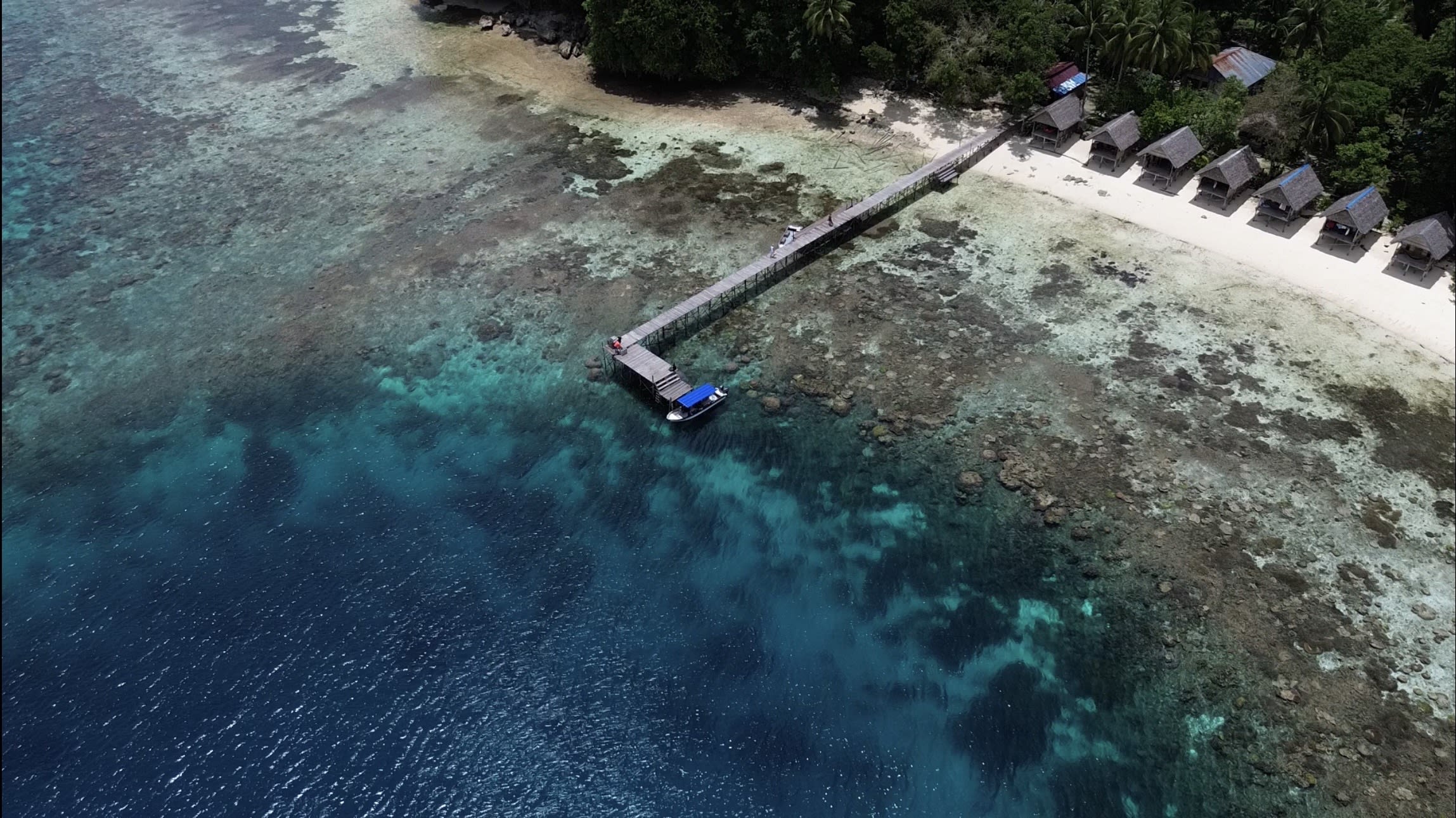
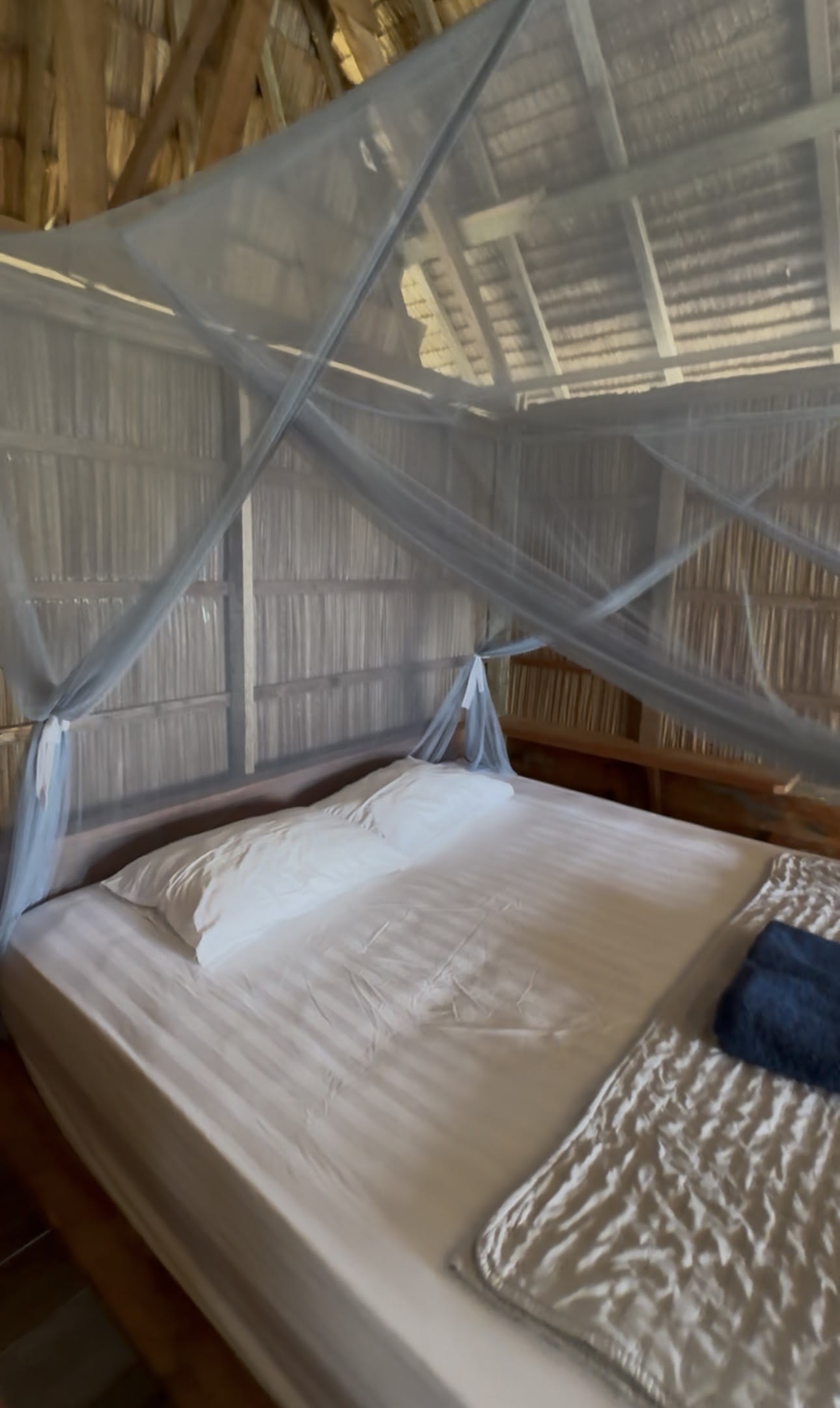
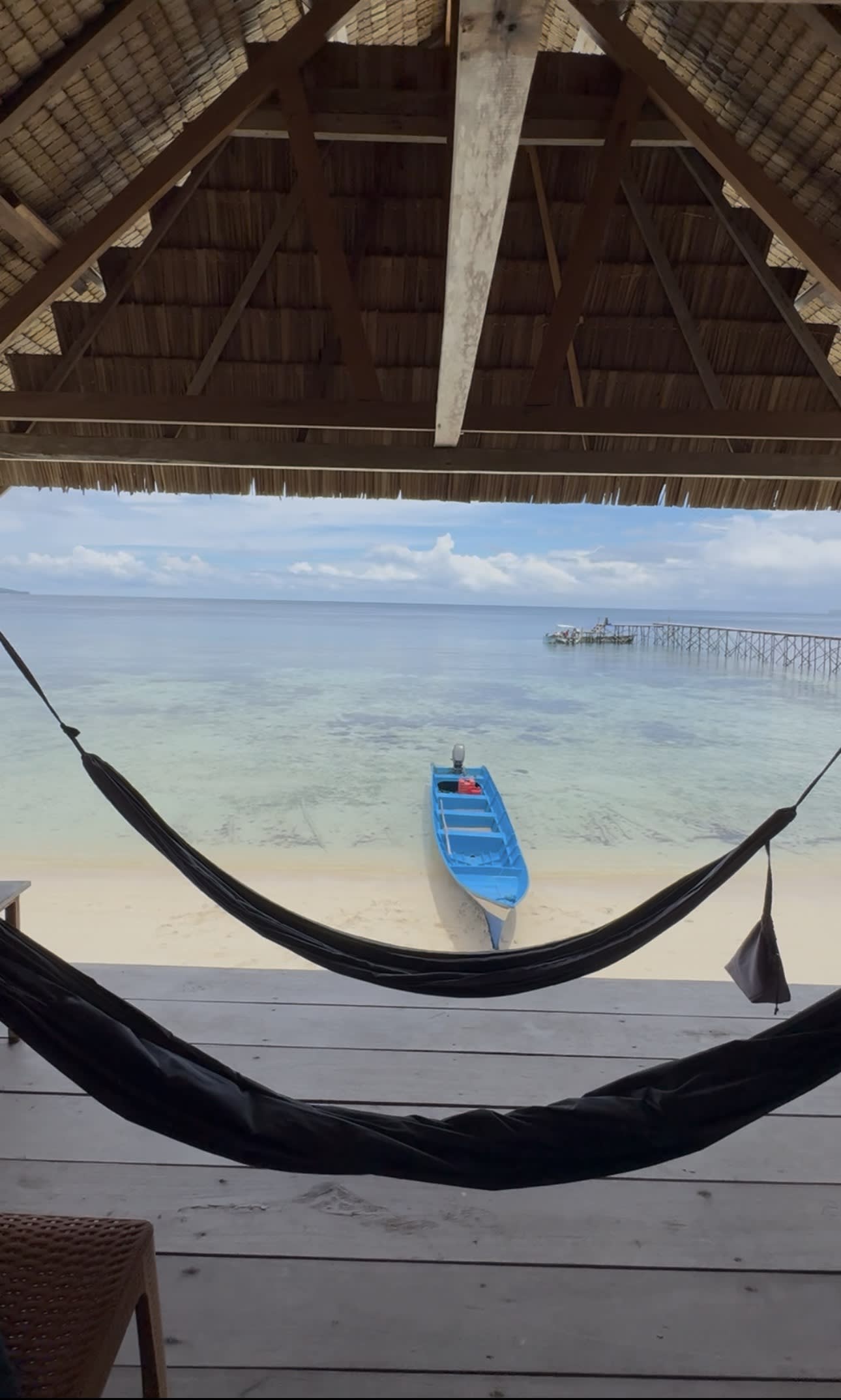
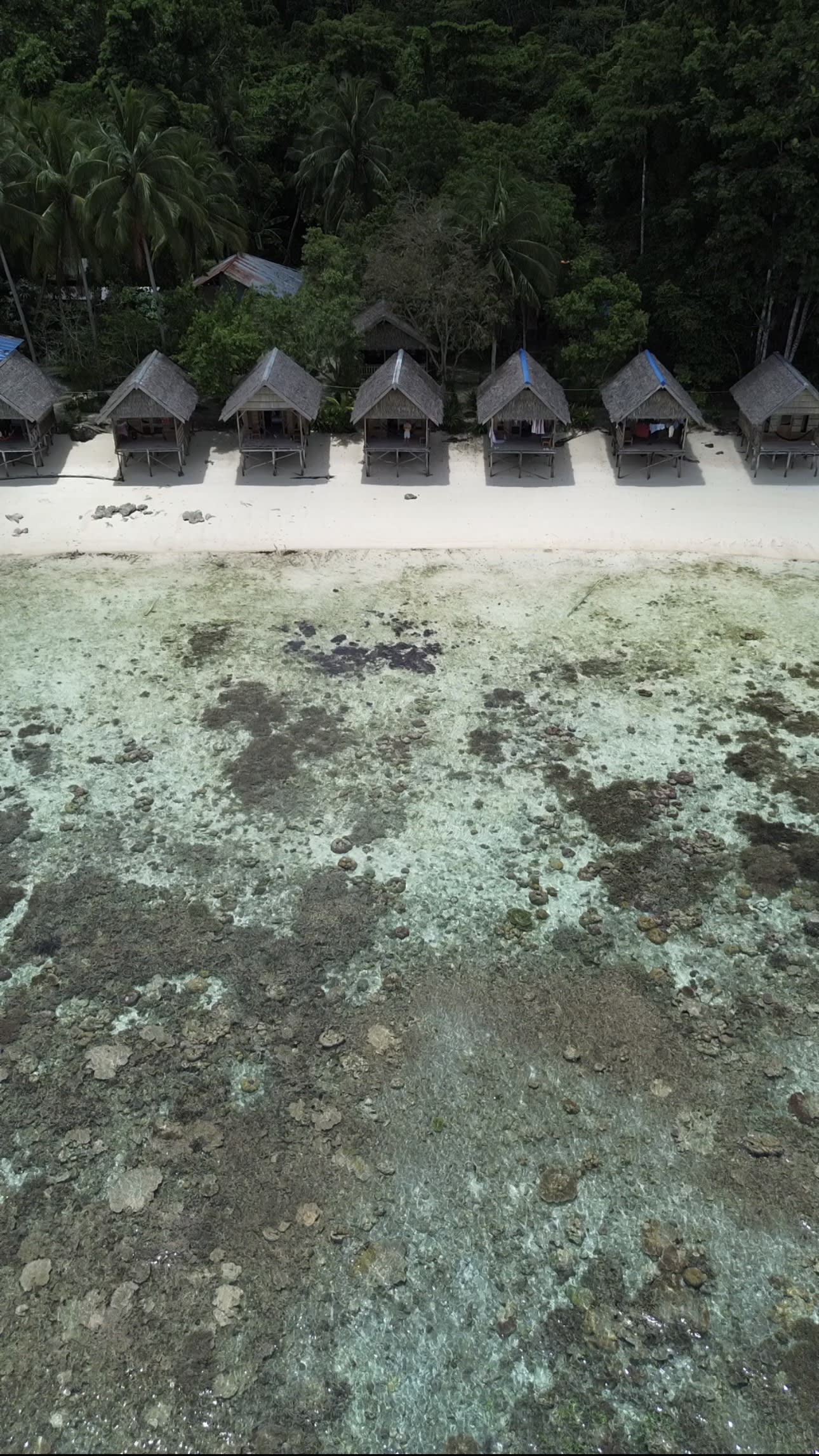
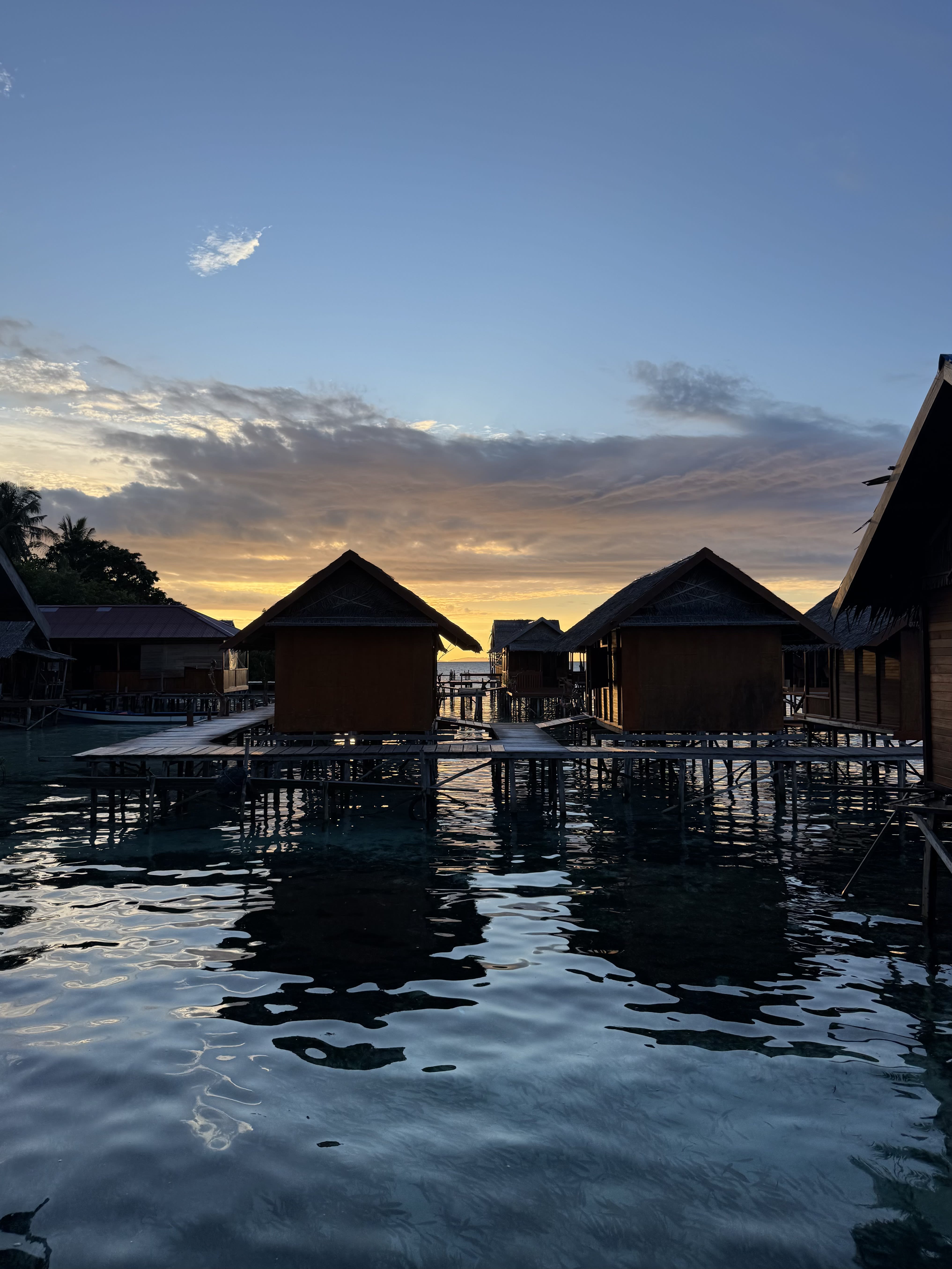
Homestays are wood or bamboo bungalows run by Papuan families, the cheapest, most authentic option. Resorts and liveaboards trade that simplicity for comfort and easier access to remote dive sites.
Raja Ampat 7 to 10-Day Itinerary: Kri, Gam & Pianemo
When to go
Aim for October/November through April, the local dry season, which runs opposite the rainy season elsewhere in Indonesia. Rain still falls year-round, usually short heavy bursts that clear into dramatic sunsets. Seas are calmest and visibility best in this window; manta encounters peak December/March.
How long to stay
- Minimum worth it, 6/7 days on the ground, travel days excluded.
- Comfortable, 10/14 days to move between islands without rushing.
- ~15 days lets you pair the north (Waigeo, Piaynemo) with remote Misool in the south, at the cost of longer crossings.
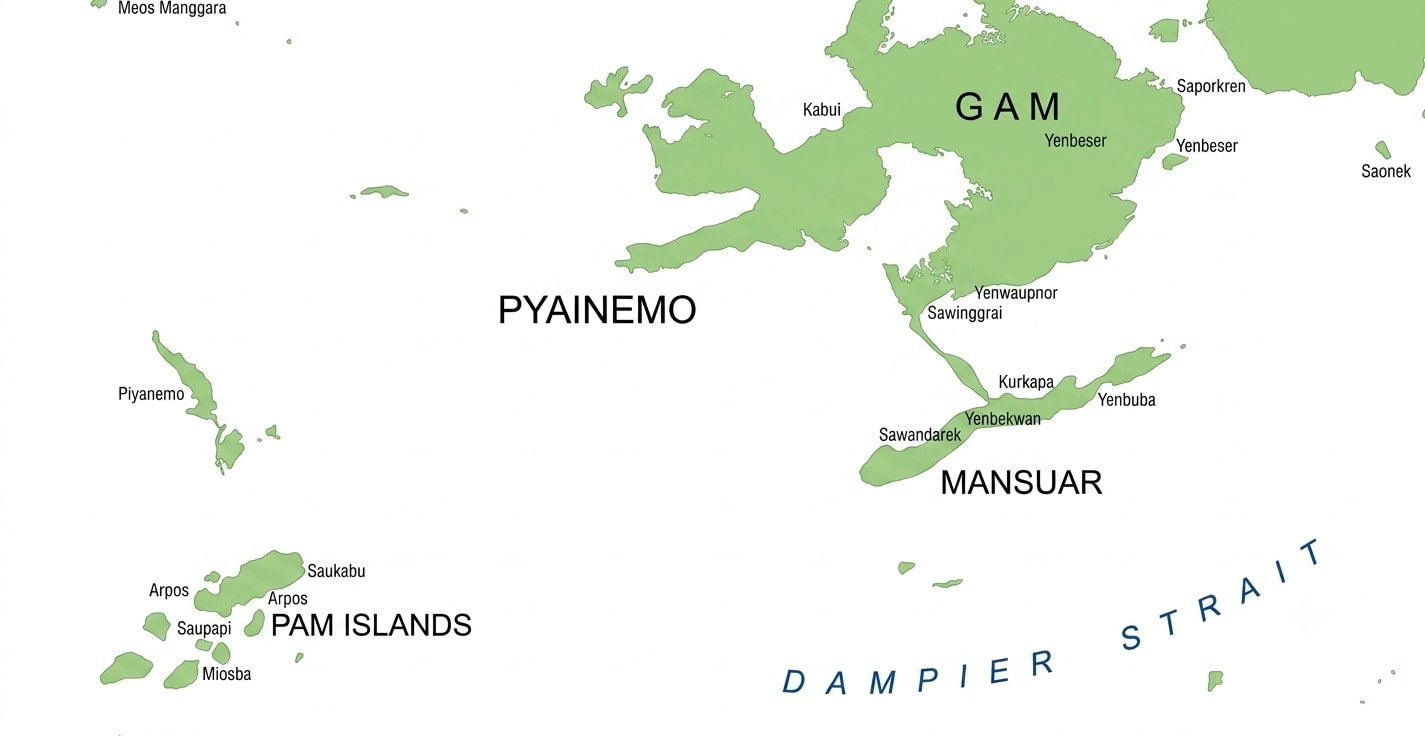
West & east of the Dampier Strait
I'd strongly recommend homestays over resorts. To keep the budget down, the main lever is minimising inter-island moves, so split your stay between the west and east side of the Dampier Strait rather than hopping around.
Dives generally run about €30 each and include transfer to the site within a certain radius. Based in Corepen, Cape Kri was covered at no extra cost, but reaching Mayhem meant an extra transport fee. Based in Arborek, Mayhem was reachable with no extra charge, worth factoring in when picking a base.
West side pick: Corepen
Corepen was my favourite base of the whole trip, the one place I would go back to without thinking twice. The food was genuinely good, better than it had any right to be that far off the grid, and there is a dive centre right on the beach, so I never had to book anything ahead: as a guest you simply get priority on the boat each morning and roll straight out to the sites. Between that, the quiet and how easy the diving became from here, it set the bar for everywhere that followed.
Corepen, diving prices
| Day dive (with equipment) | 600,000 IDR |
| Night dive | 700,000 IDR |
East side pick: Arborek
For a different flavour of the trip, Arborek is the only true town-island in the area, a real chance to see daily life and local tradition up close. I'd recommend Arborek Dive Shop without hesitation.
Arborek Dive Shop, price list
| 1 dive | 600,000 IDR / dive |
| 6 dives | 575,000 IDR / dive |
| 10 dives | 550,000 IDR / dive |
| BCD & regulator rental | 400,000 IDR / day |
| Mask, snorkel, fins rental | 150,000 IDR / day |
Splitting the boat transfers
Shared, these legs came down a lot, here's how I split mine:
| Leg | Boat | Split | Per person |
|---|---|---|---|
| Waisai → Corepen | 500k | 4 | ~125k · €6 |
| Corepen → Arborek | 600k | 3 | ~200k · €10 |
| Arborek → Waisai | 1.1m | 2 | ~550k · €27 |
Diving
Diving is the main character of any Raja Ampat trip, and genuinely one of the most stunning underwater experiences on the planet, but this isn't an easy destination for everyone. Currents can be extremely strong and shift fast, so you need to be comfortable both in the water and with your gear before you get here. Come with at least an Advanced Open Water licence and a fair number of logged dives. This isn't the place to be figuring out buoyancy for the first time.
Because Raja Ampat is remote, plan for the worst case even if you never need it. The nearest hyperbaric chamber is in Sorong, hours away by boat from most homestays, so travel with proper DAN diving insurance and make sure your dive centre knows the evacuation procedure. On the flight side, don't fly for at least 18 hours after your last dive, 24 hours is the safer rule, and give yourself more if you've been diving several days in a row.
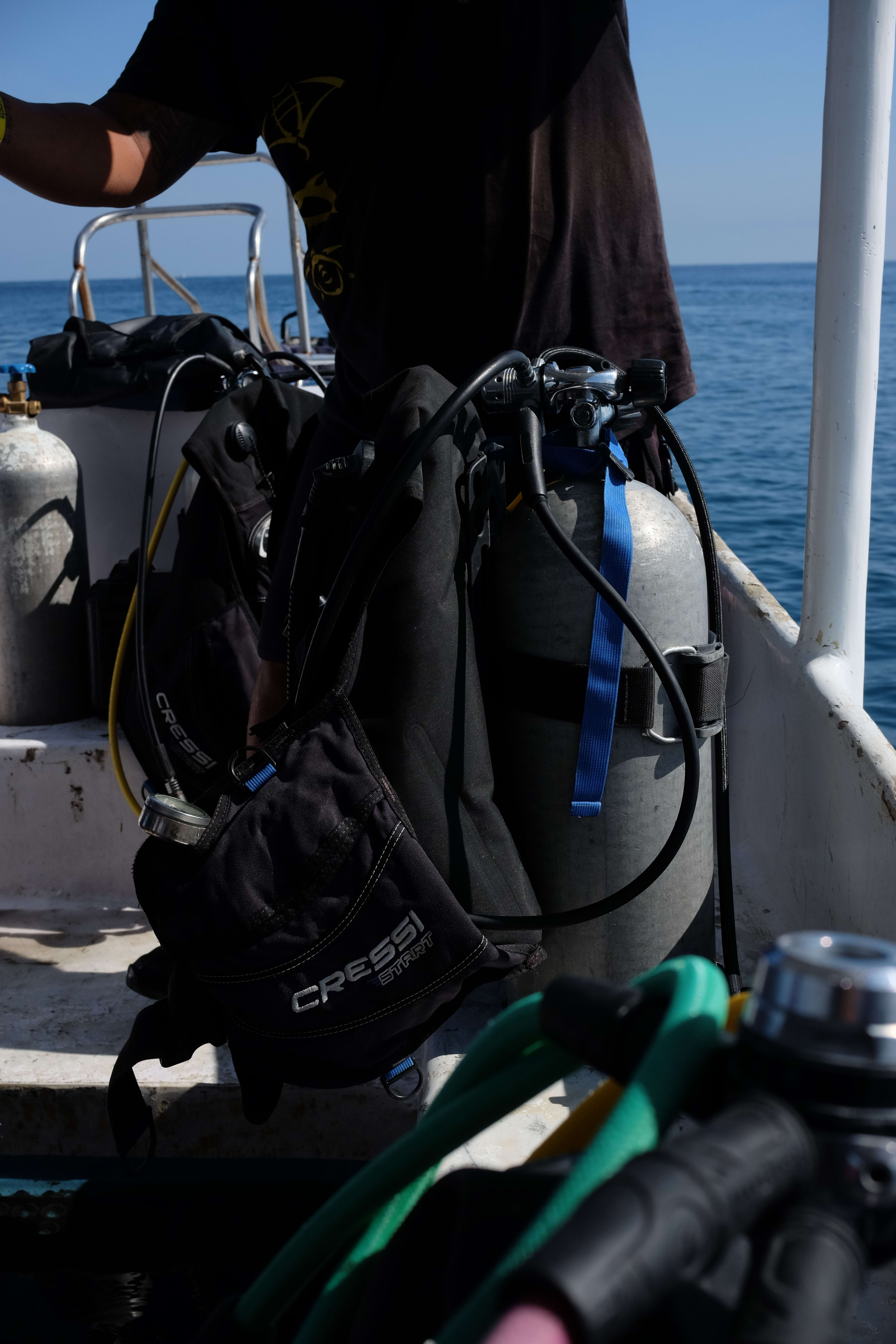
None of this is meant to scare you off, it's meant to make sure you actually get to enjoy it. Few places on earth compare, and for any diver this is a once-in-a-lifetime experience genuinely worth the effort to get there.
My favourite dive sites
Cape Kri, one of my personal favourites, and a genuine bucket-list site. Currents can be very strong, so this is exactly where reef hooks come in: on many dives you'll want one to hold position and watch the show go by. Don't show up never having used one, get shown the proper technique first, since a badly placed hook damages the reef and a badly used one can put you in a bad spot in a strong current.
Mayhem, less famous than Cape Kri, but the density of life makes it easily worth the trip.
Sawandarek, a gentler, easy-going dive, great to mix in between the more current-heavy sites.
Batu Lima, at night, the best night dive I did in Raja Ampat. If you're into big pelagics, prioritise this one after dark.
Manta Point, watching mantas glide by, unhurried and enormous, is worth the whole trip on its own. Elegance is the only word for it.
Misool
Misool is supposed to be paradise, and by every account it's still largely untouched: dramatic karst islands rising straight out of the water, hidden lagoons and some of the healthiest reef density in the region. I haven't made it there myself yet, it's next on the list, so treat this as a placeholder to fill in properly once I have.
Getting there: the public ferry to Misool usually departs Monday at 22:00, arriving the following morning. That's the theory, public ferries are not reliable at all: schedules shift, sailings get cancelled outright, and there's no real way to confirm a departure until you're at the port.
What to do in Misool
Everything below is second-hand, from other divers' accounts and research, not personal experience, so treat it as a starting point.
Diving is the main draw and consistently rated among the best in Raja Ampat, if not the world: steep walls, huge fish biomass and healthier coral than much of the north, partly thanks to a long-running no-take zone around the Misool Eco Resort area.
Karst lagoons by kayak or boat, threading between the limestone islets at low tide is one of the calmer, non-diving highlights.
Hidden caves and blue-water mangroves, swimmable caves and lagoons tucked into the karst, plus mangrove channels clear enough to snorkel.
Ancient rock art, hand stencils and petroglyphs on some cliff faces, left by early inhabitants, worth asking a local guide about.
Essential Raja Ampat Travel Tips: Cash, SIM Cards & Gear
Cash, SIM cards & health
- Visa, visa-on-arrival (30 days) for many nationalities; verify current rules before departure.
- Connectivity, weak or nonexistent phone/internet on many islands; plan around it.
- Clothing, tropical heat overall, cool after rain or in wind; pack a light rain shell.
- Insurance, given the remoteness, travel insurance with medical evacuation and delay/cancellation cover is worth having, on top of DAN diving cover.
Travelling ethically
Raja Ampat's reefs and its economy run on the same principle: keep the money and the impact local. Book Papuan family-run homestays over resort chains, it's the difference between the trip funding a household directly or a distant investor, and pay both marine park fees in full, since patrolling and conservation are financed directly off that money.
The reef asks for little: don't touch it, don't stand on it, and keep your hands to yourself around mantas, sharks and anything else protected. On land, carry a reusable bottle, homestays run on tank water and there's no waste infrastructure to absorb plastic once it's here.
Village life deserves the same care. Ask before pointing a camera at someone, especially in a place like Arborek, and keep shoulders and knees covered once you're off the beach and among houses. Buy souvenirs and snacks from residents rather than imported shops, and if you're bringing gifts, notebooks or school supplies land better than cash. A little homework before you arrive, Arborek's two-family social structure is a good example, goes a long way.
Field notes from someone who's actually been there: 7 days at Corepen, 5 on Arborek, Misool still to come.
Homestays
What to expect
Basic by design, that's the trade-off for the price and the access to local life. Electricity usually runs only in the evening, roughly 6pm to 11pm. Food is simple and balanced: typically a protein, rice and beans, plus fruit.